Safety problems rarely show up on your P&L until it’s too late. I’ve watched too many home service business owners lose profit, time, and sleep because safety training in the workplace kept getting pushed aside.
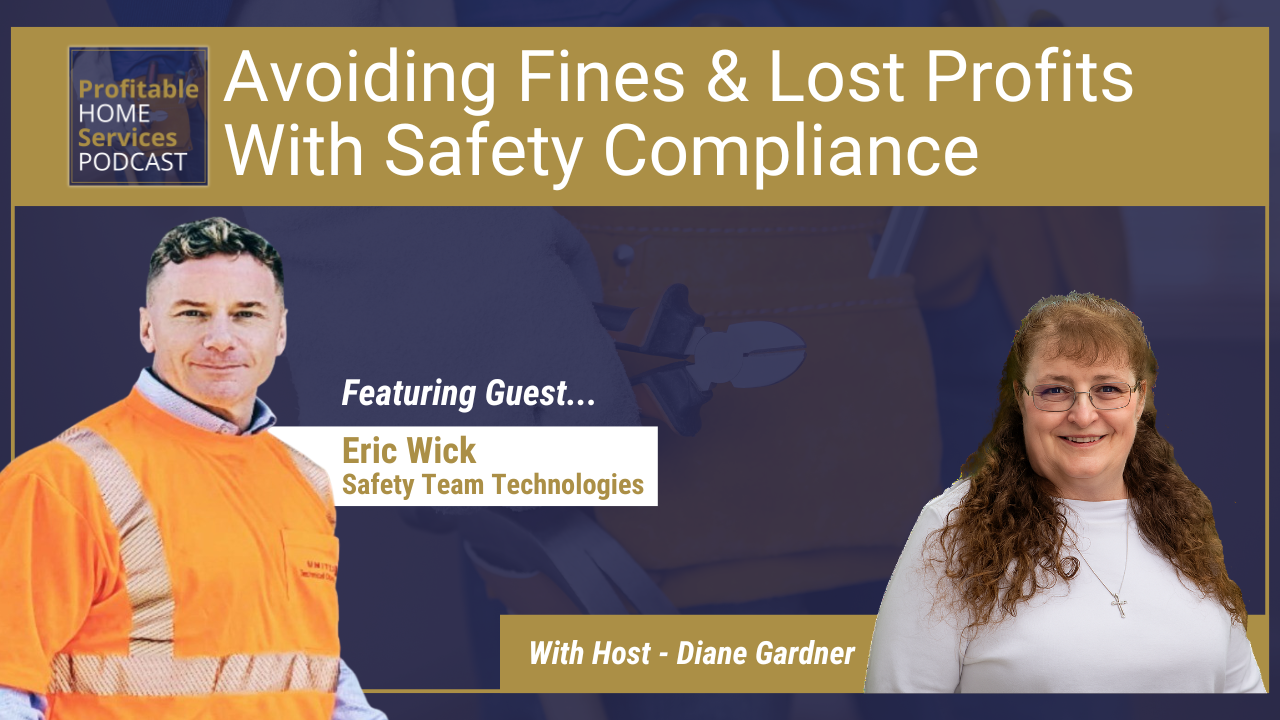
Eric Wick has sat on the other side of OSHA audits, insurance inspections, and lawsuits, and what he sees most is panic when owners cannot produce safety training records. Sneaky Leaky loves missing documentation because it quietly drives up workers’ comp costs and legal exposure. In this episode, Eric breaks down what actually matters, what inspectors look for, and how a simple system can protect both your people and your bottom line.
What You’ll Learn…
- Why safety training in the workplace impacts insurance costs more than most owners realize
- How missing records turn a routine inspection into an expensive problem
- The one thing OSHA asks for first during an audit
- How effective safety training in the workplace can lower workers comp premiums
- Why “we meant to do it” does not protect you legally
- How proof of training helps you win bigger jobs
- The simple habit that separates prepared companies from panicked ones
Key Moments…
[00:45] Why most contractors fail safety audits
[04:10] What OSHA asks for first
[08:55] How safety training in the workplace affects workers’ comp costs
[13:30] When missing records turn into legal trouble
[18:40] Why inspectors reward documented training
[23:15] How effective safety training in the workplace helps win larger jobs
[28:50] The hidden profit leak inside workers comp pricing
Why Most Contractors Fail Safety Audits
Most owners assume OSHA audits only happen after a major incident, but that is not true. Many audits start because an employee complained or an inspector noticed something small. Safety training in the workplace becomes the first line of defense when records are requested. Without proof that you’ve done those trainings, everything slows down and your stress skyrockets. Being prepared changes the entire tone of the audit.
What OSHA Asks For First
The first thing inspectors ask to see is your written safety program and proof that it is actually being used. Safety training in the workplace is not just about having a binder on a shelf. Inspectors want to see attendance records for trainings, dates, and consistency. When those documents are ready, audits move faster and with fewer penalties. Missing records raise red flags immediately.
How Safety Training In The Workplace Impacts Workers’ Comp Costs
Insurance carriers pay close attention to training records. Safety training in the workplace directly affects experience mods and premiums. One injury can raise your costs for years. Companies that show consistent training are often rewarded with lower rates and discounts. This is one of the easiest ways to protect your cash flow.
When Missing Records Turn Into Legal Trouble
Attorneys look for gaps in safety programs. If training cannot be proven, additional claims like serious and willful misconduct can be added. Safety training in the workplace is a legal shield as much as a compliance task. Without it, insurance coverage has limitations that business owners do not expect. Documentation protects more than you think.
Why Inspectors Reward Documented Training
Most businesses do not have their records ready. Inspectors notice immediately when someone can produce them calmly. If you have consistently been performing the necessary safety training in the workplace, it sets you apart during inspections. It signals responsibility and lowers the perceived risk the insurance company has for you. That difference often leads to better insurance rates for you.
How Effective Safety Training In The Workplace Helps Win Bigger Jobs
General contractors increasingly require proof of safety compliance. Being able to show them consistency in your safety training in the workplace is now part of the bidding process. Business owners who can show those records instantly gain credibility and will be able to justify charging higher rates. This is not theory; it wins real contracts. Prepared companies stand out fast.
The Profit Leak Inside Workers’ Comp Pricing
Insurance costs rise quietly year after year. When your pricing is not adjusted for rising insurance costs, your profits shrink. Usually, there is nothing you can do about rising insurance costs, but in this case, you have a way to push back. With consistently documented records of regular safety training in the workplace, you can negotiate lower rates with the insurance company. Plugging this profit leak also means fewer injuries and claims, which makes them like you even more.
About Eric
Eric Wick is the founder of Safety Team Technologies, a software company revolutionizing safety compliance for blue-collar businesses. After 15 years as an insurance broker for high-risk industries like construction, transportation, and manufacturing, Eric saw a painful pattern: business owners were buried in red tape, exposed to liability, and left scrambling to meet OSHA requirements with no time, tools, or support.
He founded Safety Team Technologies to change that. With firsthand insight from dozens of OSHA audits, tailgate talks, and jobsite walk-throughs, Eric built a scalable system that automates compliance—without the complexity. His platform consists of an online admin portal and mobile app that helps contractors and service companies deliver required safety training in both English and Spanish, customized to the specific risks of their trade. From tailgate meetings to hazard assessments, Eric helps business owners protect their crews, cut liability, and keep operations running smoothly.
Connect With Eric Wick:
Visit Eric’s Website
Follow Cameron on LinkedIn
Connect with Cameron on his other LinkedIn
Diane’s Resources:
Profit Impact Call: https://taxcoach4you.com/profitimpactcall
Profit First Method: https://taxcoach4you.com/profit-first
15 Profit Leaks eBook: https://profitcoach4you.com/profitleaks
Schedule a free Profit Impact Call with me where we’ll go over 12 main areas of your business together and save you $45k!