Debt Payoff Strategy
A solid debt payoff strategy is one of those things most home service business owners know they need, but very few feel confident they have right.
When there is a little extra cash at the end of the month, the question is never simple. Do you pay off the smallest balance so you can feel like you are making progress? Or do you go after the debt with the highest interest rate first, even if that feels like it will take forever? This post walks through both approaches, the real numbers behind them, and what to think about before you borrow more.
The Snowball Method: Small Wins, Big Momentum
The snowball method means focusing on the smallest balance first, regardless of the interest rate. You pay it off, roll that payment into the next smallest debt, and keep going.
People like this approach because it creates momentum. Each payoff feels like a real win. If you have been carrying debt for a long time, that feeling matters.
It is a perfectly reasonable debt reduction strategy for someone who needs motivation to stay on track. The psychology behind it is real.
The Avalanche Method: The Math Wins
The avalanche method takes a different approach. You pay off the debt with the highest interest rate first, regardless of the balance.
It may not feel as satisfying early on, but the numbers tell a clear story.
Consider a business with $4,195 extra each month to put toward debt. Using the snowball method, they could clear their debt 225 months faster and save about $283,000 in interest. That sounds great. But using the avalanche method instead, they would pay it off 230 months faster and save approximately $437,000 in interest.
That is a gap of more than $150,000. For this business, the debt payoff strategy that saved the most money was not the one that felt the most satisfying.
When Debt Gets Personal
Not every debt decision is purely a math problem. The owners in this example had another question on their minds: what if they took that extra cash and used it to pay off their personal house first?
That is an emotional question, not a financial one. Many business owners want the peace of mind that comes with owning their home outright. Others want to reduce business debt first, so they have more flexibility inside the company.
Both are reasonable. But there is one thing worth knowing before making that call. Many business owners have personally guaranteed their business loans. Even if the house is paid off, they may still be personally on the hook for what the business owes. Peace of mind at home does not always mean freedom from business debt.
Fix the Real Problem First
Restructuring debt or borrowing against assets can buy time. But it does not solve what caused the pressure in the first place.
If cash is tight because of pricing problems, low labor productivity, poor estimating, or too much overhead, taking on more debt just creates a larger version of the same problem down the road.
Before borrowing more, ask yourself a few honest questions:
- Why is cash tight right now?
- Where are the profit leaks in this business?
- What would it take to improve cash flow so debt is not a survival tool?
The best debt reduction strategy is not just paying off debt faster. It is building a business that does not need to rely on debt to get through the month.
When you plug the leaks, get pricing right, and create stronger cash flow, something shifts. You still have debt, maybe, but you are not at its mercy. And that peace of mind is worth far more than any payoff method.
Diane’s Resources:
📋 FREE Profit Guide
15 Ways To Add Another $200K In Profit To Your Biz Without Chasing More Leads
Revenue may be growing, but if cash still feels tight, profit may be disappearing in places you’re not checking. https://profitcoach4you.com/profitleaks
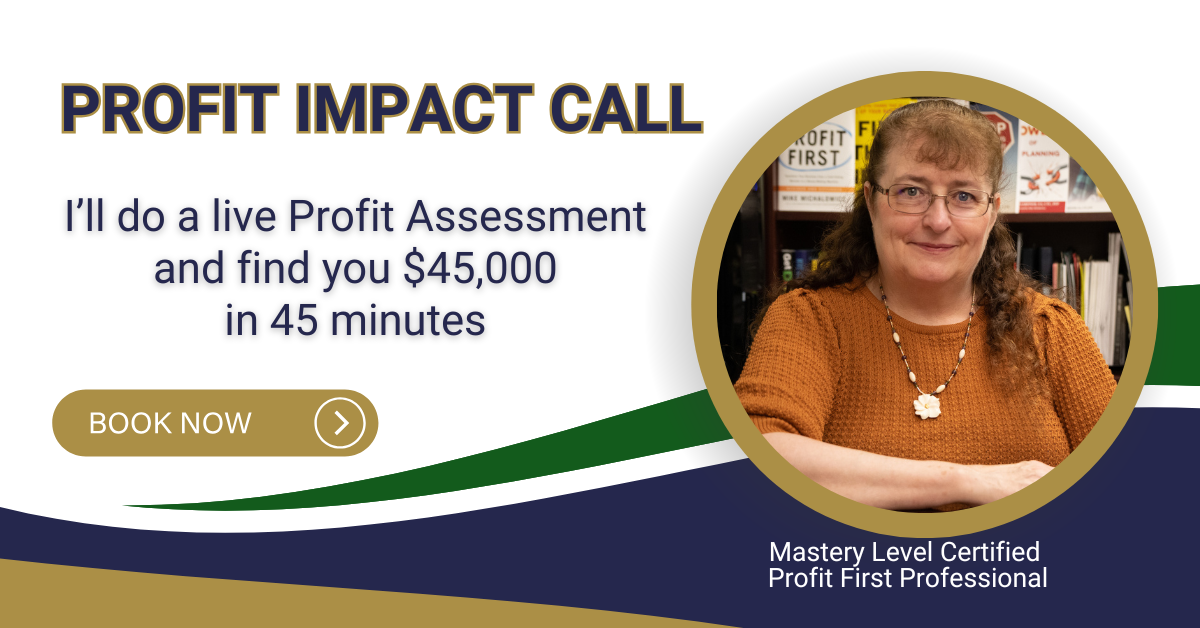
Profit Impact Call
☎️ Let me find $45k in hidden profit leaks in your home service business in 45 minutes during a Profit Impact Call. https://taxcoach4you.com/profitimpactcall/
Schedule a free Profit Impact Call with me where we’ll go over 12 main areas of your business together and save you $45k!